

In an age dominated by screen glare and a deluge of information, an experience is quietly making a comeback—one that is ancient, primal, and profoundly powerful. It is not merely an outdoor activity, but a “language of the wild” that must be learned with one’s entire being. This language is composed of three core words: wind, tracks, and silence. This is the essence of the Western hunting lifestyle, a path leading to a harmonious resonance between the self and nature.
Reading the Wind: Becoming Part of the Environment
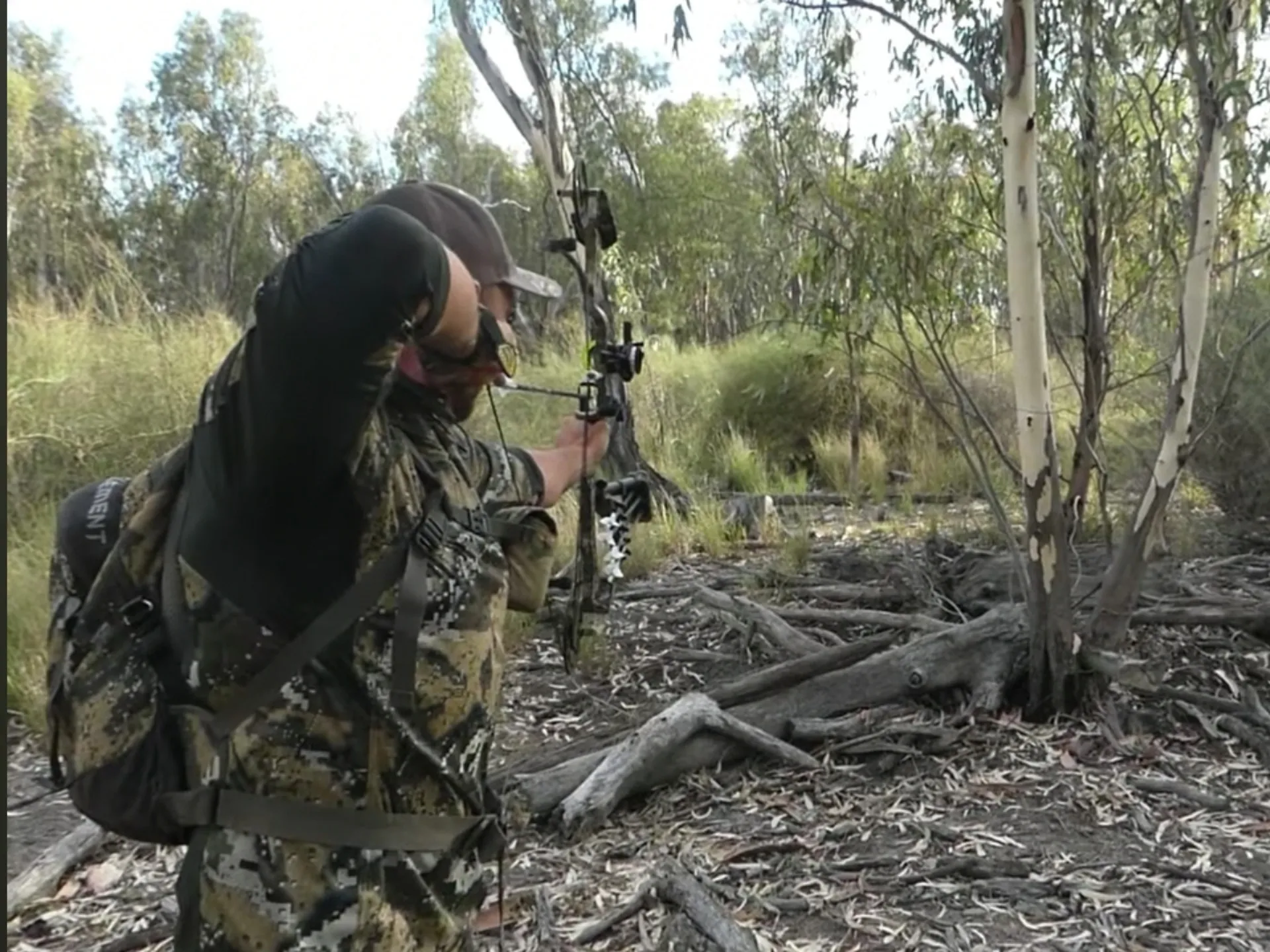
The journey begins with learning to listen. To an experienced hunter, the wind is an invisible messenger, carrying all the information of the woods—scents, sounds, and even subtle changes in temperature. You must learn to read its direction, use it to conceal your own presence, and anticipate the movements of your quarry. This requires you to step outside of an egocentric perspective, no longer viewing nature as a backdrop, but seeing yourself as a variable within this dynamic system.
This immersion first demands a visual “disappearance.” You must break your distinct human silhouette and merge with the surrounding trees, rocks, and shadows. This is precisely the state that professional gear like Kingscamo aims to achieve. Its camouflage patterns are not simple imitations but works of scientific art based on light diffusion and environmental color palettes. Kingscamo’s concealment technology effectively breaks up your form, making you difficult to detect against a complex background. When you stand motionless in the woods wearing it, you are no longer an intruder, but a bush the wind can pass through, a shadow cast by a rock.
Interpreting Tracks: The Narrative of the Earth

If the wind is the messenger of the air, then the tracks on the ground are the epic poems chronicling the activities of all living things. A competent hunter is, first and foremost, an excellent observer and interpreter. A faint hoofprint in the dirt, a broken twig, a tuft of shed fur—these are all clues left by nature. Like a detective, you must piece together the size, habits, direction of travel, and even the condition of your quarry from these subtle signs.
This process tremendously hones one’s powers of observation and logical thinking. You begin to notice countless details that are typically overlooked in daily life, and your senses become sharper than ever before. It is a profound intellectual challenge that transforms you from a passive receiver of information into an active discoverer of meaning.
Cultivating Silence: The Path of Inner Strength
Ultimately, all skills point to one ultimate state: silence. This is not just the absence of physical noise, but also absolute tranquility of the mind. During long periods of waiting, you must restrain the impatience and restlessness that modern life has ingrained in us. Time loses its linear meaning here; a minute and an hour feel no different. Your sole task is to wait.
This extreme stillness is a powerful form of inner cultivation. You learn to be comfortable with solitude, to make peace with boredom, and finally, to find a potent focus within the silence. The quiet fabric of Kingscamo gear becomes crucial at this stage, ensuring that any necessary minor adjustments you make produce no betraying rustle to break the hard-won quiet. Only when your inner state and the external environment achieve perfect harmony and tranquility does the decisive moment become possible.
Wind, tracks, and silence—these are more than just hunting techniques; they are a philosophy of life. They teach us to learn from nature with humility, to observe the world with acuity, and to look within ourselves with stillness. The end of this journey may be a successful harvest, but its true reward is the stronger, more focused, and more complete self that is rediscovered and forged in the wild.