

In a world saturated with digital noise and instant communication, there exists an older, more profound way of interacting. It has no words, no sounds, yet it contains the most fundamental laws of the universe. This is the silent language of the wild. And the greatest classroom for learning this language is to step into that vast expanse yourself, to become a dedicated student, and to experience the deep immersion advocated by the Western hunting lifestyle.
Lesson One: Observation, the Living Manuscript of the Earth
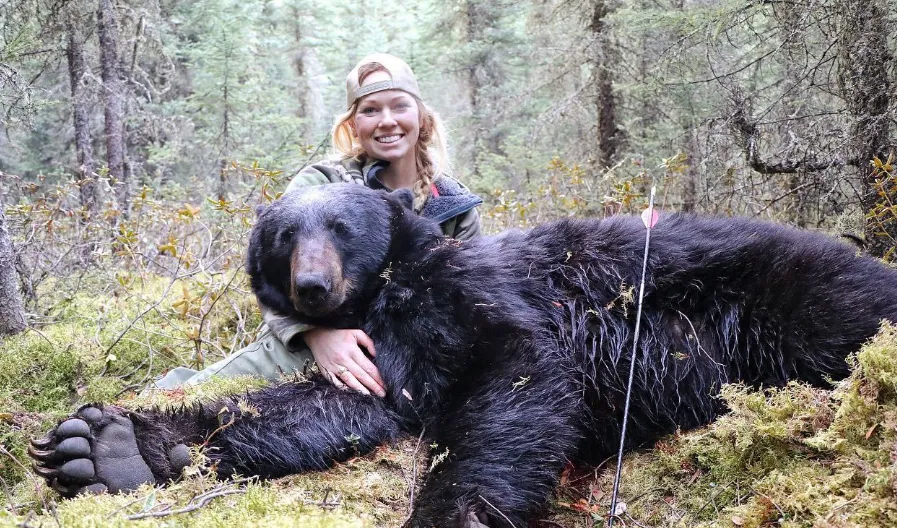
Learning any language begins with observation and listening. In the wilderness, the earth is an open, constantly updated manuscript. A bent blade of grass tells of a creature that has just passed; a series of hoofprints in the mud, varying in depth, reveals its size, speed, and even destination; a unique scent carried on the wind is the most direct form of intelligence.
To decipher this information, you must engage all the senses that have been dulled by modern life. Your eyes no longer just see, they “read.” Your ears no longer just hear, they “discern.” This is a highly challenging intellectual activity that requires you to set aside human arrogance and learn from nature with the humility of a beginner. Every detail could be the key to solving a puzzle, and every successful interpretation deepens your connection to the land.
Lesson Two: Integration, Becoming Part of the Background
In this silent dialogue, the most important rule is this: do not disturb the one you are conversing with. You must learn how to “disappear,” how to transform yourself from an abrupt intruder into a harmonious part of the background. This is not just about being quiet; it’s about complete visual integration.
This is the core philosophy of the Kingscamo brand. It understands that the true art of camouflage is far more than just patching together a few colors. The Kingscamo research and development team delves into typical natural environments worldwide—from deciduous forests to coniferous belts, from deserts to tundra—conducting scientific spectral analysis and texture studies. What they create are not simple camo patterns, but concealment systems designed to effectively “deceive” the visual systems of animals. By breaking up the human silhouette, mimicking natural light and shadows, and matching the dominant color palettes of the environment, it allows you to don an “invisibility cloak.” When you remain still in Kingscamo, you are no longer a separate entity, but the shadow of a tree, an extension of a bush, a being that breathes in unison with its surroundings. This sense of integration is a prerequisite for learning the language of the wild.
Lesson Three: Patience, a Dialogue with Time Itself
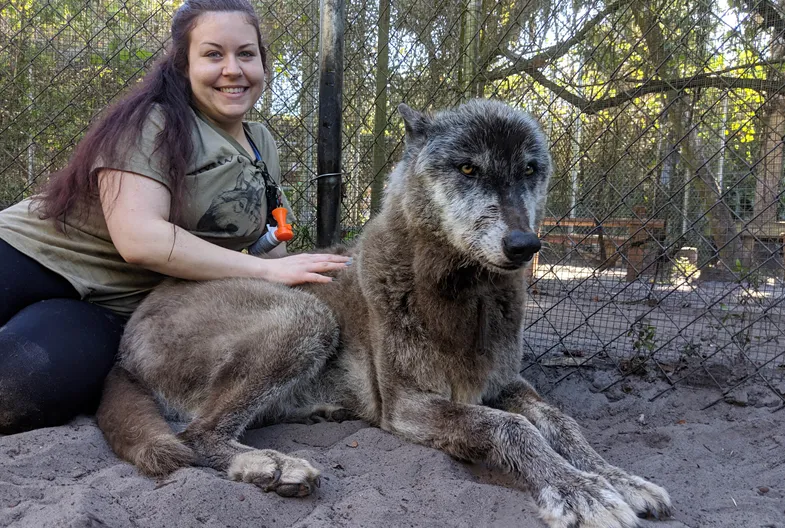
Once you have mastered the skills of observation and integration, you face the most difficult and most rewarding lesson: patience. The flow of time in the wilderness is entirely different from that in the city. Here, waiting is not a waste but a way of accumulating energy. You may need to remain in one position for hours, fighting muscle fatigue and inner restlessness.
It is in this prolonged silence that you begin a dialogue with yourself and with time itself. Your thoughts, like settling sediment, slowly become clear. Your breathing grows deep and steady. You will experience an unprecedented state of focus and calm—a “flow state” that is difficult to achieve in daily life. When the long-awaited moment finally arrives, your actions will not be impulsive, but an instinctive response honed by immense discipline.
Learning the silent language of the wild is a journey back to our origins. It teaches us observation, humility, and patience. In the end, what you bring back is not just a physical harvest, but a renewed inner strength, cleansed and forged by the laws of nature. Because the wild only reveals its deepest secrets to those who have truly learned to listen.